Concrete Sealers: Penetrating vs. Surface with Lehi Concrete
Your concrete driveway, patio, or walkway is a significant investment in your property's value and curb appeal. Like any investment, it needs protection to ensure it lasts. A high-quality concrete sealer is the most effective way to shield your concrete from moisture, stains, chemicals, and the harsh Utah weather. But when you start looking at options, you’ll quickly find two main categories: penetrating sealers and surface sealers.
Choosing the right one is crucial for achieving the look and protection you desire. The decision can feel complex, but you don't have to make it alone. At Lehi Concrete, we specialize in not just installing beautiful concrete but also in preserving it. We guide our clients through the differences between penetrating and surface sealers, helping them select the perfect solution for their specific needs. This guide will break down the key aspects of each sealer type to help you understand your options.
What is a Concrete Sealer and Why Do You Need One?
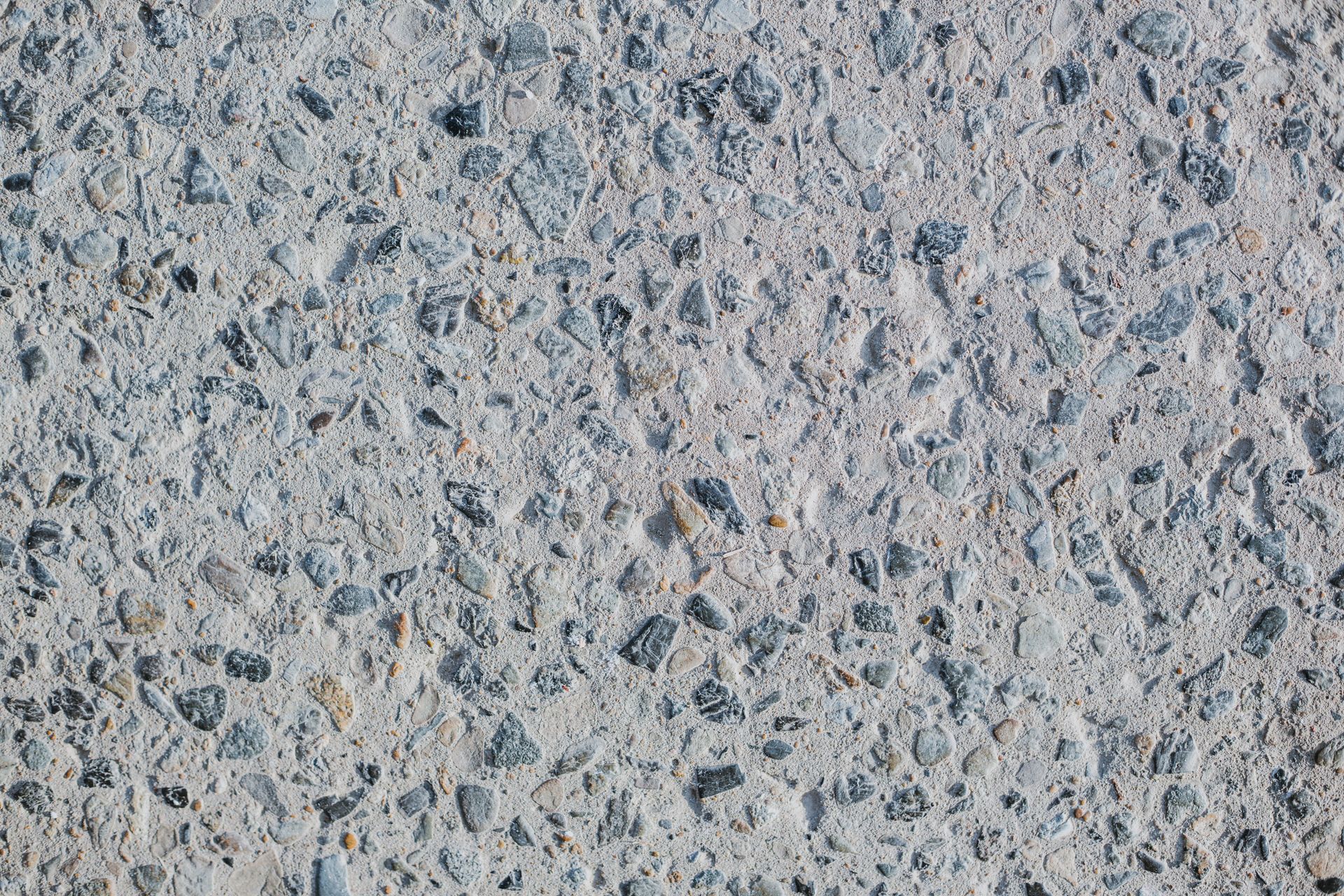
Before diving into the types, let’s quickly cover why sealing your concrete is a non-negotiable step in property maintenance. Concrete appears solid, but it is actually a porous material filled with tiny holes and capillaries. Without a protective barrier, water, salt, oil, and other substances can seep into these pores, causing a host of problems. A sealer works by filling these pores or creating a protective film over the surface. This simple application prevents water absorption, which is the root cause of cracking from freeze-thaw cycles. It also protects against stains from spills, limits dust, and can even enhance the color and finish of your concrete, keeping it looking new for years.
Penetrating Sealers: Protection from Within
As the name suggests, penetrating sealers work by soaking into the top layer of the concrete. They chemically react with the concrete to form a hydrophobic (water-repelling) barrier within the pores. Instead of forming a film on top, they become an integral part of the concrete itself. Common types of penetrating sealers include silanes, siloxanes, and siliconates. These sealers are known for their natural, matte finish. Because they don't form a surface film, they do not alter the appearance or texture of the concrete. If you love the natural look and feel of your broom-finished or stamped concrete, a penetrating sealer is an excellent choice.
The Benefits of Penetrating Sealers
- Natural Appearance: They provide invisible protection, preserving the original look and slip resistance of your concrete.
- Excellent Breathability: Because they don't trap moisture, they are ideal for outdoor surfaces exposed to the elements. They allow any moisture vapor from the ground to escape, preventing issues like spalling or flaking.
- Long-Lasting Protection: Since the barrier is inside the concrete, it isn't subject to wear and tear from foot traffic or vehicles. This means they often last much longer than surface sealers, with some premium products offering protection for 7-10 years or more.
- Superior Freeze-Thaw Resistance: By preventing water from soaking into the concrete, they are incredibly effective at stopping cracks caused by winter ice expansion.
Ideal Applications for Penetrating Sealers
Lehi Concrete often recommends penetrating sealers for outdoor applications where durability and a natural finish are priorities.
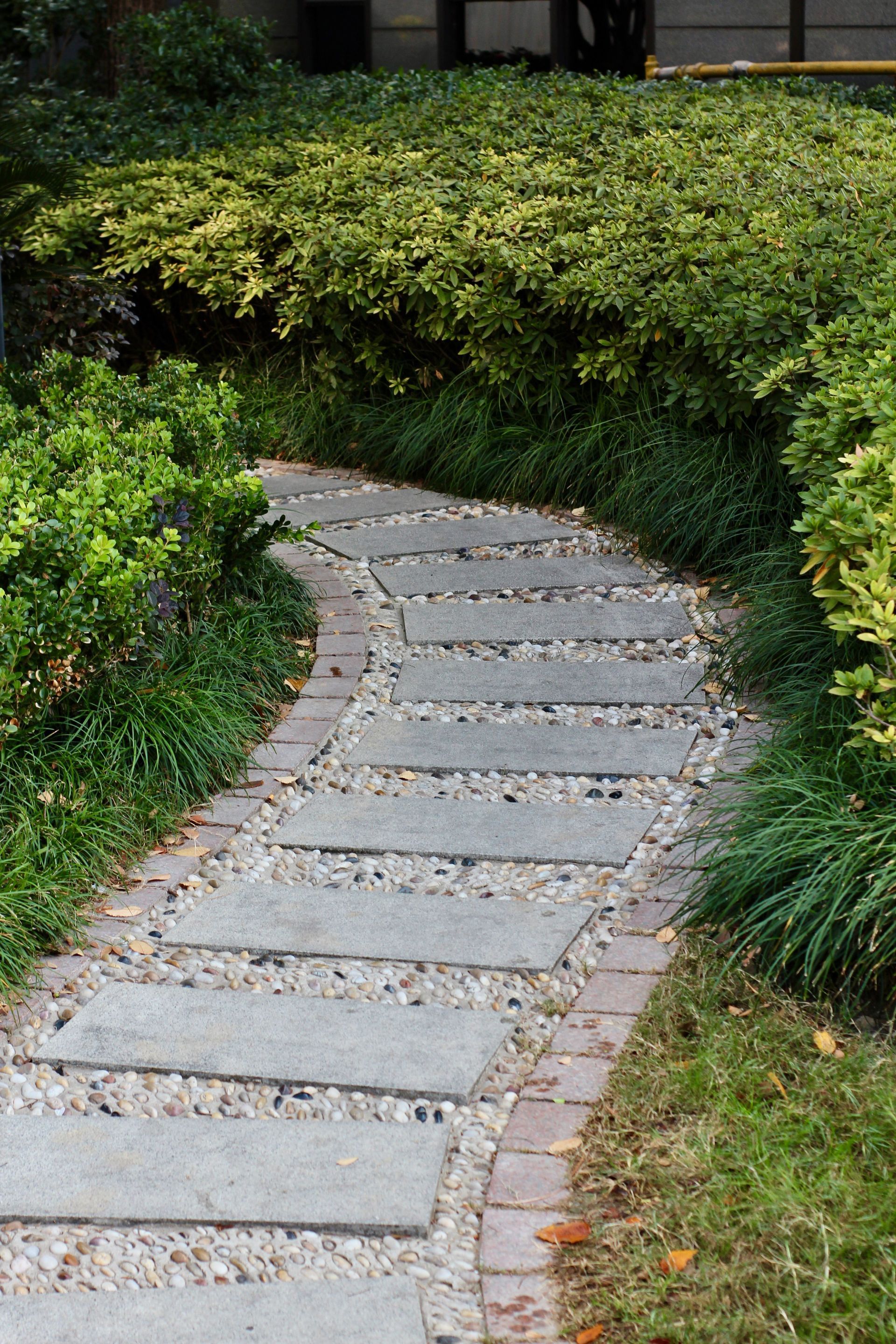
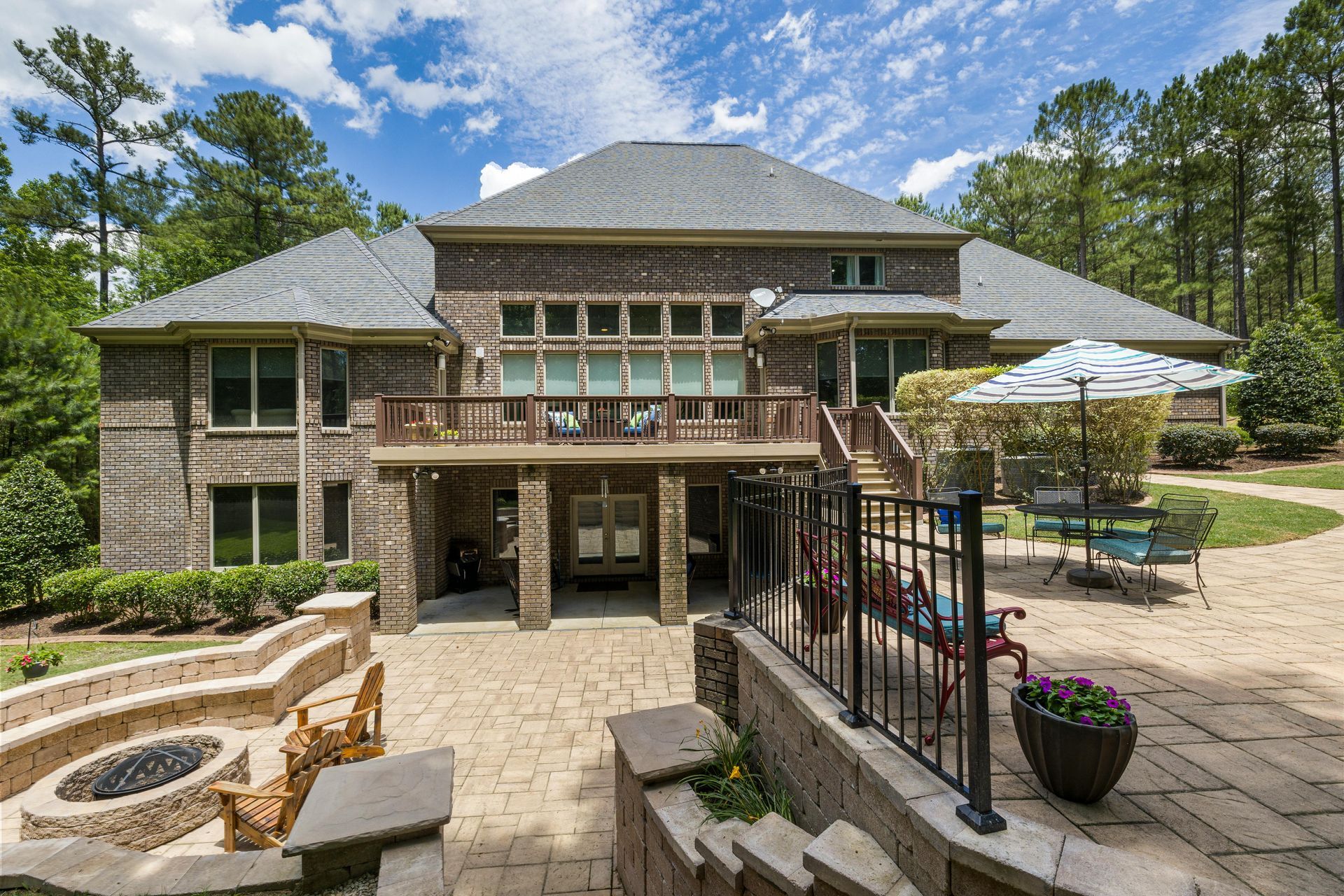
- Driveways and Walkways: These areas need robust protection from de-icing salts and freeze-thaw cycles without becoming slippery.
- Patios and Pool Decks: A penetrating sealer maintains the natural texture of the concrete, ensuring the surface remains safe and slip-resistant even when wet.
- Brick and Masonry: They are also highly effective for protecting other porous construction materials from water damage.
Surface Sealers: A Protective Top Coat
Surface sealers, also known as film-forming sealers, work like paint. They create a durable, non-porous layer on top of the concrete. This film acts as a shield, preventing anything from getting into the concrete. The most common types of surface sealers are acrylics, epoxies, and urethanes.
These sealers can significantly change the appearance of your concrete. They are available in various sheen levels, from matte to high-gloss, and can be used to enhance or even change the color of the concrete. This makes them a popular choice for decorative concrete applications.
The Benefits of Surface Sealers
- Enhanced Appearance: They can add a rich, wet look or a high-gloss sheen that makes colors pop. This is perfect for stamped or stained concrete.
- Superior Stain Protection: The topical film provides an excellent barrier against oil, grease, and other chemical spills, making cleanup much easier.
- Easy to Apply: Most acrylic surface sealers are straightforward to apply with a roller or sprayer and dry relatively quickly.
- Cost-Effective: Acrylic sealers, the most common type for residential use, are generally more affordable upfront than high-end penetrating sealers.
Ideal Applications for Surface Sealers
Our team at Lehi Concrete typically suggests surface sealers for decorative or indoor projects where appearance and stain resistance are key.
- Stamped Concrete Patios: A gloss or semi-gloss acrylic sealer will enhance the colors and patterns of the stamped design.
- Stained or Dyed Concrete Floors: They protect the color and provide a beautiful, easy-to-clean finish for basements, showrooms, and retail spaces.
- Garage Floors: Epoxy and urethane coatings provide the ultimate protection against hot tire pickup, oil spills, and chemical stains, creating a durable and attractive floor.
How Lehi Concrete Helps You Choose
Making the right choice depends entirely on your specific project, your goals, and your environment. The experts at Lehi Concrete simplify this decision by conducting a detailed assessment and providing a professional recommendation tailored to you.
We Evaluate Your Project Needs
Our process starts with a conversation. We ask key questions to understand what’s most important to you.
- Where is the concrete? Is it an outdoor driveway battling snow and salt, or an indoor basement floor?
- What look do you want? Do you prefer a natural, matte finish or a decorative, high-gloss look?
- What is the primary function? Is it a high-traffic area? Is stain resistance for oil and grease a major concern?
- What is your budget and maintenance preference? Are you looking for the longest-lasting protection or a more budget-friendly initial cost?
We Analyze the Concrete Itself
The condition and type of your concrete also play a role. A freshly poured driveway has different needs than a ten-year-old patio. We inspect the surface for any existing damage, check its porosity, and identify any previous coatings that may need to be removed. This ensures the sealer we recommend will adhere properly and perform as expected.
A Commitment to Quality Application
Choosing the right product is only half the battle. Proper surface preparation and application are critical for any sealer to work effectively. The Lehi Concrete team has the equipment and expertise to prepare your concrete correctly and apply the selected sealer according to manufacturer specifications. This commitment to quality workmanship guarantees you get the maximum protection and longevity from your investment.
Your Partner in Concrete Care
Whether you need to protect a new installation or rejuvenate an existing one, understanding the difference between penetrating and surface sealers is the first step. A penetrating sealer offers invisible, long-lasting protection from within, while a surface sealer provides a decorative, stain-resistant top coat.
With Lehi Concrete, you have a partner dedicated to ensuring your concrete looks great and lasts for decades. We bring years of experience to every project, helping you navigate your options and choose the perfect sealer for your needs. If you’re ready to protect your concrete investment, contact Lehi Concrete today. Let our experts provide a professional consultation and help you make a confident, informed decision.
Meta Title: Penetrating vs. Surface Concrete Sealers | Lehi Concrete Guide
Meta Description: Confused about concrete sealers? Learn the difference between penetrating and surface sealers and find out which is best for your project with this expert guide from Lehi Concrete.