
Turn Up the Heat: Stunning Fire Features for Your Concrete Surfaces — Lehi Concrete
Cold concrete is just a surface. Add a flame, and it becomes an experience. The right fire feature turns a quiet patio into the place your family and friends can't stop returning to—long after the sun goes down and the temperature drops. That's the difference between a backyard you look at and a backyard you actually live in. At Lehi Concrete, we help homeowners turn up the heat on their outdoor spaces with beautifully crafted fire features built to last. Concrete and fire are natural allies, and when you combine skilled craftsmanship with the right design, you get a centerpiece that performs as well as it looks. Below, you'll learn why concrete stands out as the ideal foundation for fire, the feature styles worth knowing, and everything you need to plan yours with confidence—no regrets, no shortcuts.
Why Concrete Is Built to Handle the Heat
Fire calls for a material that won't back down. Concrete meets that challenge with room to spare. It resists high temperatures, holds firm through rain, frost, and sun, and keeps its shape year after year. But durability is only half the story. Concrete starts as a fluid, so it pours into curves, angles, and textures no factory-made kit can offer. You're not choosing from a shelf of pre-set shapes—you're shaping something made for your yard alone. The bottom line: with concrete, your fire feature is engineered for the way you live, and built to keep performing long after other materials would give out.
Fire Feature Styles That Bring the Warmth
There's no single way to add fire to concrete. Each style sets its own mood, and concrete lets us tailor the shape, finish, and color to suit your space. Here are the options we're asked about most.
Concrete Fire Pits
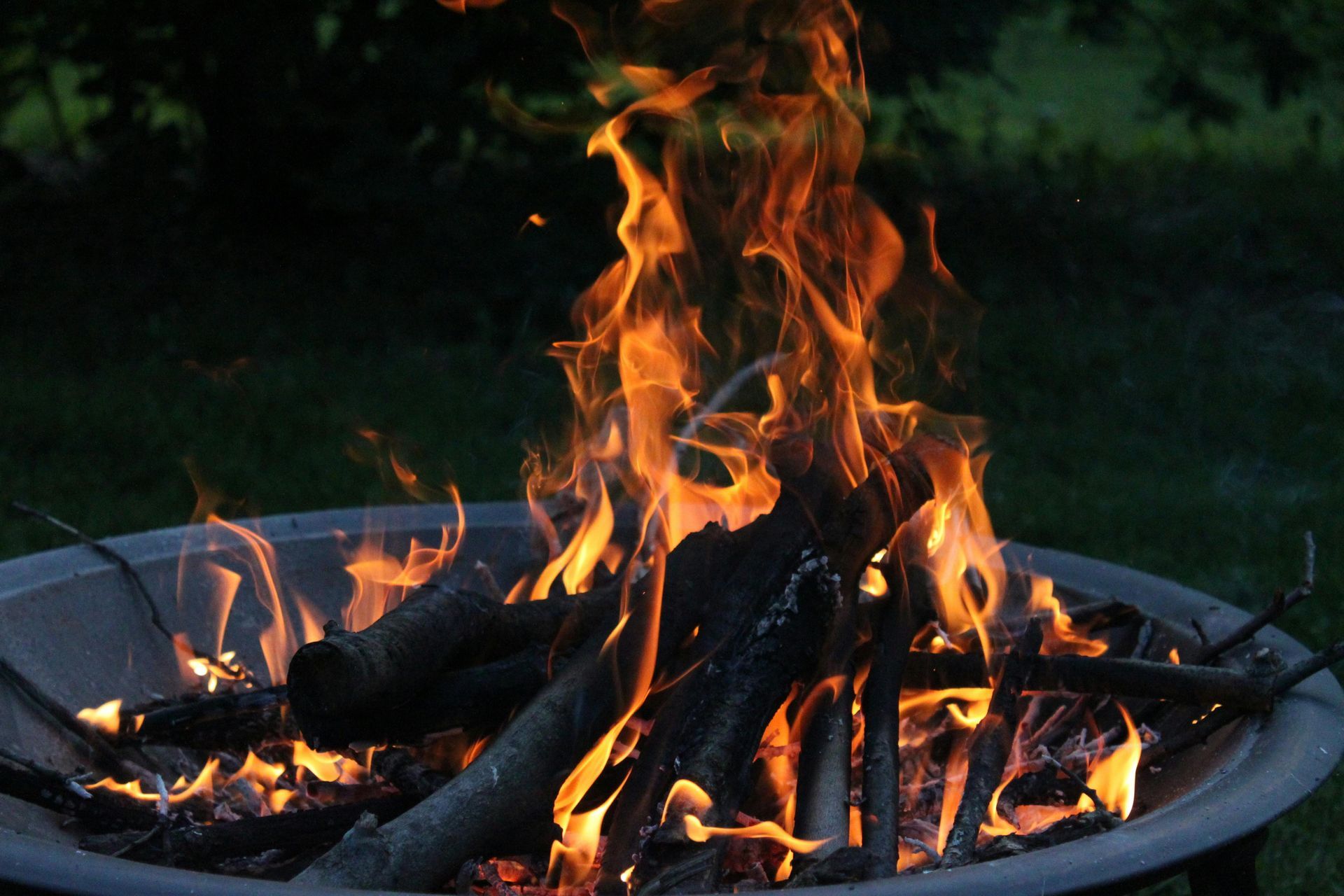
The fire pit is the trusted classic—an open basin for wood or gas flames that draws a circle of chairs and easy conversation. Poured or cast concrete gives it a solid, grounded presence that suits almost any yard. Turn up the heat: A deeper bowl shelters the flame from wind and channels warmth upward toward everyone seated around it, keeping the heat where you want it on a chilly night.
Fire Tables
A fire table pairs a working surface with a ribbon of flame down the center. It's the entertainer's pick, letting guests rest plates and drinks while soaking in the glow. Rendered in concrete, a fire table feels weighty, refined, and unmistakably modern. Turn up the heat: A recessed burner set below the tabletop line looks cleaner and shields the flame from breezes, so your table keeps its warmth even when the wind picks up.
Fire Bowls
Compact and sculptural, fire bowls act almost like functional art. These rounded vessels hold a contained flame and often work in pairs to frame an entryway, pool edge, or stairway. Cast in concrete, they blend soft curves with real toughness. Turn up the heat: Raise the bowls on short pedestals to lift the flame into your line of sight. Elevated, they throw their glow across the space and command far more attention after dark.
Fire Pit Surrounds
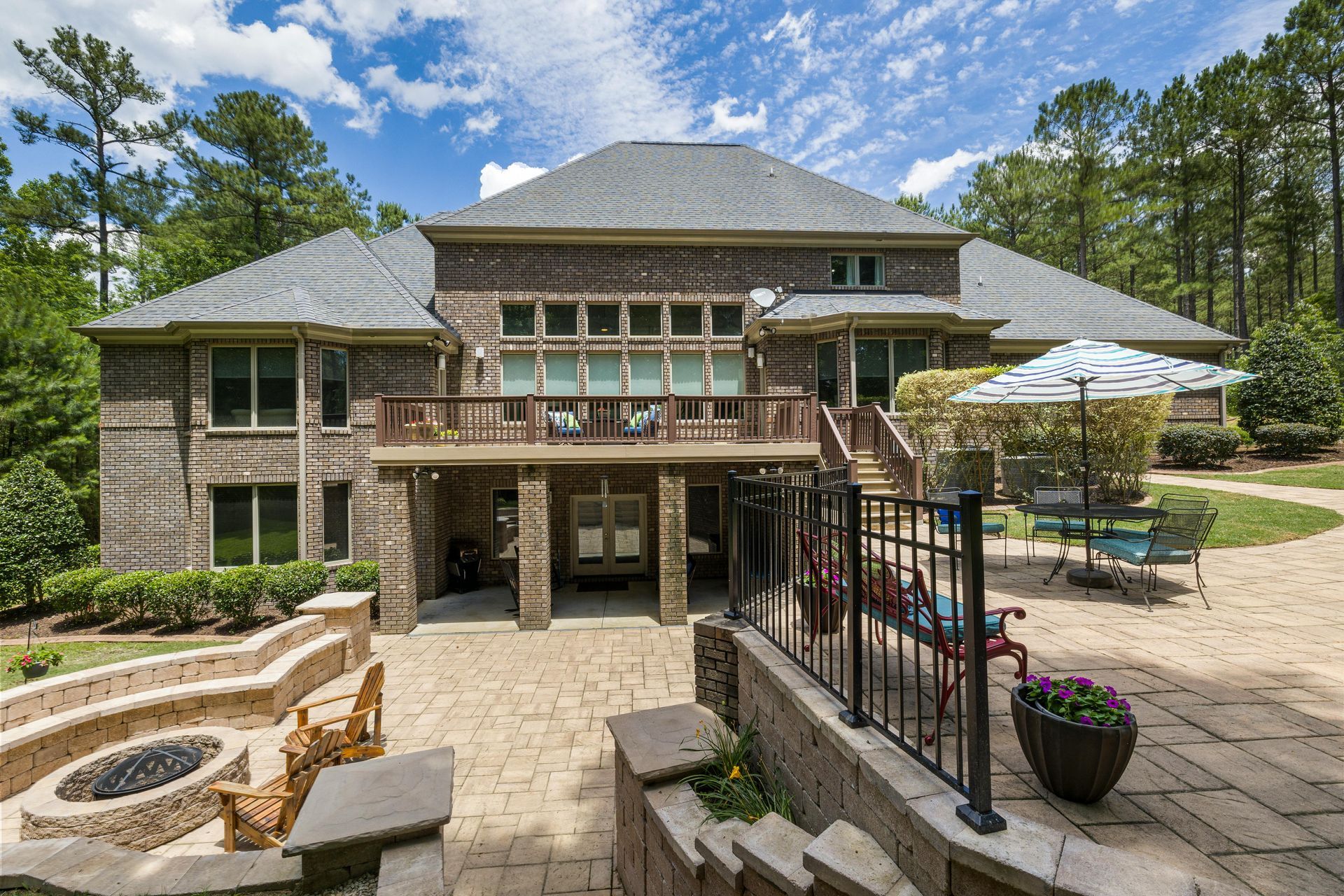
A surround is the finished concrete border and seating built around a fire pit. It ties the whole zone together, giving people a place to sit, set down a mug, and treat the area as its own outdoor room. A well-built surround turns a plain pit into a true destination. Turn up the heat: Build it at bench height and wide enough to seat your crowd. Guests circle in close to the flame, and you skip hauling out extra chairs every time you light up.
In-Ground Fire Pits
Set flush with your patio, an in-ground fire pit delivers a clean, low-profile look that keeps your sightlines wide open. Because it nests into the surface, it reads as part of the landscape rather than an object placed on top. Concrete forms a crisp, permanent rim that shrugs off constant heat. Turn up the heat: Ring the pit with a sunken seating well for a cozy lounge effect. It pulls people down and in, gathering everyone tight around the flame.
Concrete Hearths
A hearth carries fire into more architectural territory—the base of an outdoor fireplace or a raised platform for a vertical feature. Concrete hearths bring a warm, timeless quality and blend effortlessly with stone, tile, or stucco for a fully custom result. Turn up the heat: Extend the hearth a foot or two past the firebox. That apron catches stray embers and grounds the whole structure, giving your fire a finished, intentional frame.
What a Fire Feature Does for Your Outdoor Life
The reward from a fire feature reaches well past the warmth itself. It changes how—and how often—you actually use your yard.
More usable months. Cool spring mornings and crisp autumn nights stop chasing everyone indoors. A fire feature adds comfortable weeks to your outdoor calendar, especially when a Utah evening turns unexpectedly cold.
A built-in gathering spot. People are drawn to flame the way they always have been. Your fire feature becomes the anchor where conversation slows down and lingers.
Instant atmosphere. Moving light warms the mood of any patio in seconds. It's the difference between a space you cross and one you sink into.
Lasting value. A permanent, professionally built fire feature is a genuine upgrade that future buyers notice. A well-designed outdoor room reads as finished and intentional, not tacked on.
Because concrete flexes to nearly any shape, finish, or scale, we build these benefits around your exact layout. Few outdoor upgrades give back this generously.
Design and Style Tips
The strongest fire features look planned from day one, not added as an afterthought. A handful of choices decide whether yours reads as custom or generic.
- Geometry. Round shapes feel relaxed and communal, while square or linear forms lean modern and architectural. Let your home's lines lead the decision.
- Finish and texture. A honed, smooth face looks contemporary, while board-formed or textured concrete brings depth and warmth. Pick the mood you want the space to hold.
- Color. Integral pigments and stains let you tie the feature to your patio, siding, or plantings for one cohesive palette.
- Proportion. Scale the feature to the space and your usual crowd. An oversized table swamps a small courtyard, and a tiny bowl disappears on a sprawling deck.
- Fuel type. Wood and gas each shape both the look and the upkeep, and gas needs its lines planned early. Settle the question before the pour, not after.
Try this: Snap a few photos of your patio and home from several angles before we meet. Seeing the full setting helps us recommend a feature that works with its surroundings rather than against them.
Safety Comes First
Fire can be both beautiful and safe, but only when the planning respects it. Concrete's natural heat resistance gives you a strong head start, though the details still matter.
- Mind your clearances. Keep the feature a safe distance from your home, fences, low branches, and anything flammable.
- Insist on heat-rated materials. Not every concrete mix tolerates repeated heat the same way. Proper components and liners prevent cracking down the road.
- Plan for airflow. Fire needs oxygen to burn cleanly and safely—a factor that matters most with gas systems.
- Hire pros for gas. Gas lines and connections belong to qualified installers. This is never the place to cut corners.
- Keep tools within reach. A fire extinguisher, hose, or bucket of sand nearby means you can react fast if you need to.
- Never leave a fire alone. Fully extinguish the flames before you head inside, and keep a close eye on children and pets throughout.
Common Mistakes to Avoid
A little foresight heads off the errors that can undercut even a stunning fire feature.
- Using standard concrete for heat. Ordinary mixes crack under sustained high temperatures. Heat-rated materials and reinforcement aren't optional.
- Careless placement. Set too close to the house, tucked into a windy corner, or dropped in a busy walkway, and the feature loses both safety and charm.
- Deciding fuel too late. Choosing gas after the build often forces expensive retrofits. Lock in the fuel question before construction begins.
- Skipping drainage. In-ground and low-profile designs need proper runoff so water never collects.
- Going DIY on complex builds. Custom concrete, gas hookups, and heat management take real expertise. Rushed work shows—and it can be hazardous.
- Designing in a vacuum. A fire feature should work with your patio, seating, and landscape as one coordinated whole.
Frequently Asked Questions
Is concrete safe to use for fire features?
Yes. Concrete resists heat naturally, which makes it a smart foundation. The key is using heat-rated materials and sound construction so it withstands high temperatures without cracking.
Should I choose wood-burning or gas?
It depends on how you like to live. Wood brings the classic crackle and scent but requires fuel storage and cleanup. Gas offers instant, adjustable flames with less fuss. We'll help you match the choice to your habits.
Can I add a fire feature to concrete I already have?
Often, yes. Freestanding pieces like fire bowls and tables tend to suit existing surfaces, while in-ground pits and hearths are best built into a larger project. An on-site look tells us what your space allows.
How much upkeep do concrete fire features need?
Not much. Concrete is durable and forgiving. Occasional cleaning and periodic sealing keep it looking crisp, and gas systems benefit from routine safety checks.
Will my fire feature crack over time?
Built correctly with heat-rated concrete, it holds up remarkably well. The right mix, proper reinforcement, and professional installation are what protect your investment for years.
Which fire feature suits a smaller yard best?
Compact options such as fire bowls or a modest in-ground pit work beautifully in tighter spaces, adding warmth and style without crowding the area.
Ready to Turn Up the Heat?
A fire feature is one of the most rewarding upgrades you can add to an outdoor space. Whether you picture a sturdy fire pit, a polished fire table, a pair of sculptural bowls, a sleek in-ground design, or a timeless hearth, the right choice stretches your seasons, draws your people together, and gives your yard a real focal point. Success comes down to matching the feature to your space and building it correctly so it performs safely for years.
That's the work we do best. Lehi Concrete guides you from the first idea to the first flame, helping you turn up the heat with stunning fire features backed by heat-rated construction and skilled local craftsmanship you can trust. Reach out to Lehi Concrete today to talk through the fire feature you have in mind—and let's build an outdoor space your family and friends will gather around for years to come.
Meta Title: Turn Up the Heat: Fire Features for Concrete | Lehi Concrete
Meta Description: Discover stunning fire features for your concrete surfaces—fire pits, tables, bowls, in-ground designs, and hearths. Lehi Concrete helps you design and build.